Article Plan: Instructions for Installation

Plank Hardware offers easy-to-install guides for DIY enthusiasts, while Oracle Retail details removal of prior versions․
Microsoft’s Windows Subsystem
and smart thermostats
are covered, alongside EV chargers and router VPN setups․
Installation guides are essential resources, transforming potentially daunting tasks into manageable, step-by-step processes․ Whether you’re a seasoned DIY enthusiast or a first-time installer, these guides provide the clarity and confidence needed to successfully integrate new hardware or software․ Plank Hardware emphasizes the accessibility of their guides, promising an “anyone-can-do-it” experience․
These resources aren’t merely lists of instructions; they are carefully curated pathways designed to minimize errors and maximize efficiency․ From setting up a smart thermostat to configuring a router VPN, or even installing Windows Subsystem for Android, a well-written guide anticipates potential challenges and offers solutions․ They often include visual aids, troubleshooting tips, and safety precautions․
Furthermore, understanding how to properly remove previous software versions, as highlighted by Oracle Retail, is a crucial component of a successful installation․ These guides empower users to take control of their technology, saving time, money, and frustration․
Understanding Installation Prerequisites
Before embarking on any installation, grasping the prerequisites is paramount; This involves identifying required tools and materials – ensuring you have everything from screwdrivers to software licenses readily available․ It’s not simply about having the tools, but understanding how to use them safely and effectively․
Equally critical are safety precautions․ Flashing software, like Lineage OS, carries inherent risks, and even following a guide meticulously doesn’t guarantee a flawless outcome․ Recognizing this “at your own risk” nature emphasizes the need for caution․ Similarly, installing EV home chargers or configuring router VPNs demands awareness of electrical safety and network security․
Proper preparation extends to verifying system compatibility and backing up existing data․ Ignoring these foundational steps can lead to complications, data loss, or even device malfunction․ A proactive approach to prerequisites minimizes potential issues and streamlines the installation process․
Required Tools and Materials
The necessary tools and materials vary drastically depending on the installation․ For hardware, like a smart thermostat or EV charger, you’ll likely need screwdrivers, wire strippers, a voltage tester, and potentially drilling equipment․ Plank Hardware emphasizes a straightforward approach, suggesting installations are “as easy as A, B, C” with the right tools․
Software installations, such as Windows Subsystem for Android or removing older Oracle Retail versions using an installation CD, demand specific software licenses, compatible operating systems, and sufficient storage space․ A stable internet connection is often crucial for downloads and updates․
Router VPN setup might require a compatible router, VPN client software, and your VPN provider’s configuration files․ Always consult the specific installation guide for a comprehensive list, ensuring you’re fully prepared before beginning․
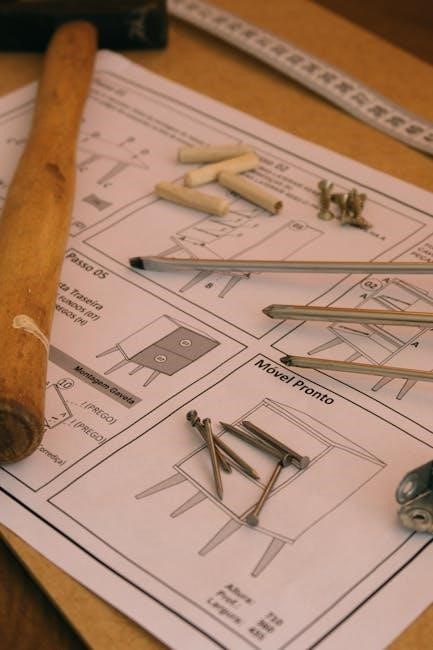
Safety Precautions Before Installation
Prioritizing safety is paramount before any installation․ Forbes contributors stress expert analysis, implying careful consideration is key․ When dealing with electrical components – EV chargers, smart thermostats, or router setups – always disconnect the power supply at the breaker box․ Use a voltage tester to confirm power is off before handling wires․
For software, backing up your system before installing or removing programs like Oracle Retail or Windows Subsystem for Android is vital to prevent data loss․ Be cautious when “flashing software” as noted, acknowledging it’s an “at your own risk” activity․
Always read and understand the manufacturer’s instructions thoroughly․ Wear appropriate safety gear, such as gloves and eye protection, and if unsure, consult a qualified professional․
General Installation Steps ⎼ A Universal Approach
A successful installation, whether hardware or software, generally follows a structured approach․ Begin by thoroughly reading the provided installation guide – Plank Hardware emphasizes “anyone-can-do-it” guides, highlighting clarity․ Next, gather all necessary tools and materials, ensuring you have everything readily available before starting․
Preparation is key; clear the workspace and protect surrounding areas․ For software, close unnecessary applications․ During installation, carefully follow on-screen prompts or step-by-step instructions․ Pay attention to any warnings or error messages․
Post-installation, test the functionality of the installed component․ Verify settings and configurations․ Finally, retain the installation guide for future reference or troubleshooting․
Software Installation Guides
Software installation often requires careful attention to compatibility and existing system configurations․ Oracle Retail advises using the original installation CD to remove previous versions, following the “Remove” option detailed in the Implementation Guide․ This ensures a clean slate for the new installation․
Microsoft’s release of Windows Subsystem for Android offers a preview for Windows 11 users, streamlining Android app integration․ Before installing, ensure your system meets the minimum requirements․ Be aware that flashing software, like Lineage OS, carries inherent risks, even with meticulous adherence to guides․
Always download software from trusted sources to avoid malware․ Back up important data before proceeding, and carefully review license agreements․
Removing Previous Software Versions

Prior to installing new software, completely removing older versions is crucial for stability and preventing conflicts․ Oracle Retail specifically recommends utilizing the installation CD from the previous version to initiate the removal process․ This method leverages the original uninstallation routines, ensuring a thorough cleanup as outlined in their Implementation Guide․
Simply deleting program files isn’t sufficient; residual files and registry entries can cause issues․ Utilizing the designated uninstaller is the preferred approach․ If an uninstaller isn’t available, specialized removal tools can assist, but exercise caution and research their reliability․
Always back up important data before attempting removal, as unforeseen errors can occur․ A clean uninstall sets the stage for a smooth and successful new installation․
Windows Subsystem for Android Installation
Microsoft has recently released the Windows Subsystem for Android (WSA) Preview for all Windows 11 users, enabling the running of Android applications directly on your PC․ Installation typically involves enabling the “Virtual Machine Platform” feature within Windows Features․ Ensure virtualization is enabled in your BIOS settings for optimal performance․
Next, download the Amazon Appstore from the Microsoft Store․ This acts as the primary portal for Android app installation․ Note that currently, app availability is limited to those offered through the Amazon Appstore․
Sideloading apps from other sources is possible, but requires additional steps and carries inherent risks․ Always exercise caution when installing apps from unknown sources, and understand the potential security implications․

Hardware Installation Guides
Plank Hardware emphasizes that installing new hardware can be straightforward with the right guidance․ Their installation guides are designed for anyone, regardless of technical expertise, promising an easy A, B, C process․ Before beginning, carefully unpack all components and verify against the included parts list․
Always consult the manufacturer’s documentation for specific instructions related to your hardware․ Pay close attention to any warnings or cautions regarding static electricity, as this can damage sensitive components․ Proper grounding is crucial during installation․

Ensure your system meets the minimum requirements for the new hardware, including sufficient power supply wattage and compatible ports․ Double-check all connections before powering on the system․

Smart Home Device Installation
Installing smart home devices, like thermostats, requires careful planning and execution․ Forbes contributors highlight the importance of key checks during installation, ensuring compatibility with your existing home systems․ Begin by turning off power to the relevant circuit before working with any wiring․

Carefully read the manufacturer’s instructions, as each device has unique requirements․ Many smart thermostats require a “C-wire” for power; verify its presence before purchasing․ Utilize the device’s app for guided setup and network connection․
Tyler Lacoma suggests helpful tips to simplify the process․ Consider professional installation if you’re uncomfortable working with electrical wiring․ Securely mount the device and test functionality thoroughly after installation․
Installing a Smart Thermostat: Key Checks
Before embarking on smart thermostat installation, several key checks are crucial for a smooth process․ First, Forbes experts emphasize verifying compatibility with your existing HVAC system – not all thermostats work with all systems․
Critically, check for a “C-wire” (common wire)․ Many smart thermostats require this for continuous power; its absence may necessitate an adapter or professional installation․ Confirm your home Wi-Fi network is stable and has sufficient coverage near the thermostat’s location․
Power off the HVAC system at the breaker before beginning any wiring․ Carefully label existing wires before disconnecting them to ensure correct reconnection․ Tyler Lacoma advises reviewing the thermostat’s documentation thoroughly and understanding the wiring diagram․
Tips for Easier Smart Device Installation
To streamline smart device installation, preparation is paramount․ Tyler Lacoma suggests gathering all necessary tools beforehand – screwdrivers, wire strippers, and a voltage tester are often essential․ Download the device’s companion app and create an account before physically installing the hardware․
Read the entire instruction manual, even if you’re experienced with DIY projects․ Many devices require specific setup sequences․ Utilize online resources like YouTube tutorials for visual guidance, supplementing the written instructions․
Don’t rush the process; take your time and double-check all connections․ If you encounter difficulties, consult the manufacturer’s support resources or consider hiring a professional․ A methodical approach minimizes errors and ensures a successful installation․
Electric Vehicle (EV) Home Charger Installation
Home charging is a significant benefit of EV ownership․ In the UK, approximately 80% of EV owners charge at home, utilizing around 400,000 chargers nationwide․ Installing a Level 2 (240-volt) charger allows for overnight charging, ensuring a full battery each morning․
Professional installation is highly recommended, involving an electrician assessing your electrical panel’s capacity and running a dedicated circuit․ Permits may be required depending on local regulations․ The charger itself mounts securely to a wall, with cabling routed safely․
Consider charger features like smart connectivity for scheduling and monitoring․ Proper grounding and adherence to safety standards are crucial․ Regularly inspect the charger and cable for damage, ensuring continued safe operation․
Level 2 Home Charger Setup
A Level 2 charger requires a 240-volt outlet, similar to those used for dryers or ovens․ Professional installation by a qualified electrician is vital, as it involves wiring a dedicated circuit breaker․ The electrician will assess your electrical panel’s capacity to handle the additional load․
Mounting the charger to a wall near your parking space is the next step, ensuring convenient access to the charging cable․ The cable should be routed safely, avoiding damage or tripping hazards․ Once connected, the charger needs to be configured, often via a mobile app․
This setup allows for significantly faster charging compared to a standard 120-volt outlet․ Regularly check the connection and cable for any signs of wear or damage, prioritizing safety and optimal performance․
UK EV Charger Landscape
The UK boasts a rapidly expanding EV charging infrastructure, with approximately 400,000 home and workplace chargers currently installed nationwide․ Around 80% of electric vehicle owners in the UK prefer the convenience of charging at home․ Government grants, like the Electric Vehicle Homecharge Scheme (EVHS), previously assisted with installation costs, though it has evolved․
Different charging speeds are available, with Level 2 chargers being the most common for home use․ Public charging networks are also growing, offering various speeds and payment options․ Regional variations exist, with some areas having better coverage than others․
Understanding the different connector types (Type 2 is standard) and charging tariffs is crucial for EV owners․ Utilizing apps like Zap-Map helps locate nearby chargers and check availability․
Router and Network Installation
Installing a VPN on your router offers network-wide protection, securing all connected devices simultaneously․ While requiring some technical effort, the benefits – enhanced privacy and security – are substantial․ The process typically involves accessing your router’s administration panel, often via a web browser, and uploading the VPN provider’s configuration file․
Choosing the right VPN provider is paramount; consider factors like server locations, speed, security protocols, and logging policies․ Compatibility with your router’s firmware is also essential․ Some routers natively support VPN clients, simplifying the installation process․
Post-installation, verify the VPN connection and test your internet speed․ Regularly updating your router’s firmware and VPN software is crucial for maintaining optimal performance and security․
Installing a VPN on Your Router
Setting up a router VPN demands a bit of technical know-how, but delivers comprehensive network security․ Begin by logging into your router’s administration interface – usually accessed through a web browser using its IP address․ Locate the VPN settings, often found under ‘Advanced’ or ‘Security’ options․
You’ll typically need your VPN provider’s configuration file (OpenVPN is common) and credentials․ Upload this file to the router, inputting your username and password when prompted․ Ensure the router’s firmware supports your chosen VPN protocol․ Some routers offer simplified VPN setup wizards․
After configuration, reboot the router and verify the VPN connection․ Test your IP address to confirm it’s masked by the VPN server․ Regular firmware updates are vital for security and performance․
Choosing the Right VPN Provider
Selecting a suitable VPN provider is crucial for router installation and ongoing security․ Prioritize providers with robust encryption protocols (like OpenVPN or WireGuard) and a strict no-logs policy, ensuring your online activity remains private․
Consider server locations; a wider network offers faster speeds and access to geo-restricted content․ Evaluate the provider’s speed and bandwidth capabilities, especially if you stream or download frequently․ Compatibility with your router’s firmware is essential – check the provider’s documentation․
Look for providers offering dedicated router support and clear setup guides․ Pricing varies; compare plans based on features and simultaneous connections․ Read independent reviews and consider free trials before committing to a long-term subscription․
Risk Management During Installation
Installation processes, whether software or hardware, inherently carry risks․ Flashing software, like Lineage OS, is explicitly “at your own risk,” highlighting potential device damage even with meticulous adherence to guides․ Back up critical data before any installation to mitigate data loss․
Electrical work, such as EV charger installation, demands professional expertise to avoid hazards․ Always disconnect power before handling electrical components․ Software installations can introduce malware; download from trusted sources and scan files․
Carefully read and understand all instructions before commencing․ Identify potential failure points and have contingency plans․ Document each step for troubleshooting․ Prioritize safety precautions, utilizing appropriate tools and protective gear․ A well-planned approach minimizes risks and ensures a successful installation․
Troubleshooting Common Installation Issues
Despite careful planning, installation issues are common․ Software installations may fail due to compatibility problems; check system requirements and update drivers․ Error messages often provide clues – research specific codes online․ For Windows Subsystem for Android, ensure virtualization is enabled in BIOS;

Hardware issues can range from loose connections to faulty components․ Double-check all cabling and power supplies․ If a smart thermostat isn’t connecting, verify Wi-Fi credentials and compatibility․ EV charger problems may stem from electrical circuit issues – consult an electrician․
Documenting installation steps aids in pinpointing the source of errors․ Utilize online forums and manufacturer support for assistance․ A systematic approach – re-reading instructions, checking connections, and seeking expert help – is key to resolving installation challenges․